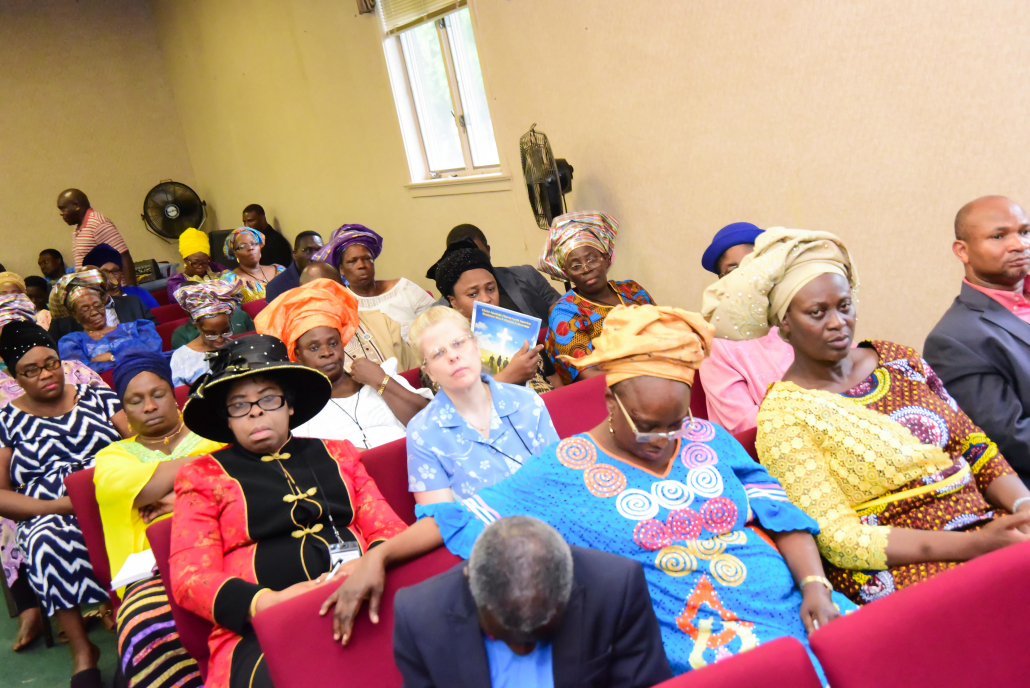
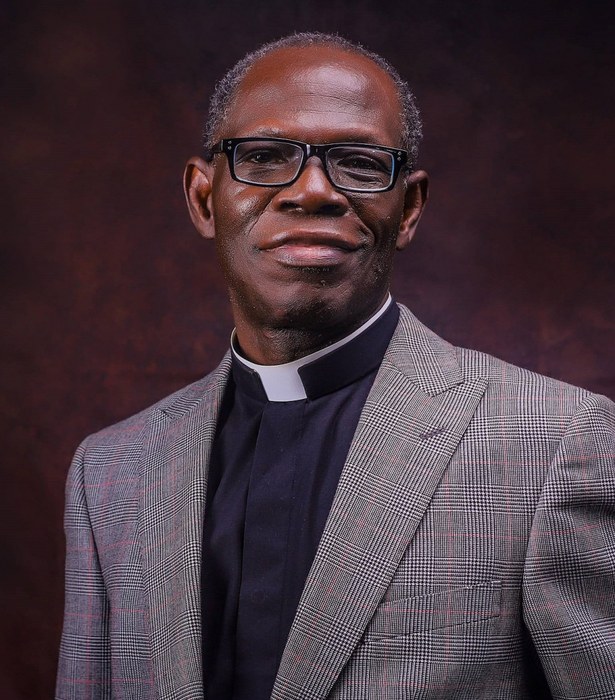
Rt. Rev. Prof. Dapo F. Asaju — Distinguished Professor of Theology, Former Vice-Chancellor of Ajayi Crowther University, and Bishop Theologian of Ilesa Anglican Diocese — delivered this year's Christian Education Department lecture at the CACNA 2026 National Convention, titled "The Bible: A Dynamic Force for the Church" (Hebrews 4:12). Bishop Asaju has also addressed CACNA before, delivering Ministers' Session 3 on "The Bible as an Encourager in Times of Trials, Tribulations and Challenges" earlier this same convention.
"The Holy Bible evolved through stages of God's interaction and communication with mankind since creation," he opened, tracing the Bible's own history — from oral revelation, through the canonization process, to "39 books in the Old Testament and 27 in the New Testament (sixty-six books in all)," the Old Testament ratified at Carthage in AD 397 and the New Testament in AD 911. "No literature or scripture has shaped humanity like the Holy Bible," he said. "It is a library or collection of many books, written by many authors, most of whom never met to see the works of the other, yet they wrote around the same theme of God's salvation programme among humanity."
He laid out the powers of the Bible in ten points: it is the mind and revelation of God; the creative power of God ("Let there be light"); the healing power of God, citing Jesus's healing of the centurion's servant and the calming of the storm; it contains the power of salvation (John 3:16, Romans 10:9-13); it guards against false teachings and heresies (Jude 3); it is "the queen of all sciences" and the ground of all invention; a manual for personal life, morality, family, and law; the main textbook for training prophets, apostles, and pastors; the source of genuine peace that governments lack; and the source of the transformation of society, citing the missionary influence on African communities' education, healthcare, and welfare.
Turning to what opposes Scripture, Bishop Asaju named real, specific antagonisms against the Gospel and the Word of God across history and today: Judaism's rejection of Christ; William Tyndale burnt alive for translating the Bible into English; the Quran's core doctrinal contradictions with the Bible and the historical loss of North Africa and Asia Minor to Islam; secularism; communist atheism; AI and robotics "which violate normal human relations"; liberal theology and biblical revisionism; the Anglican church's recognition of same-sex marriage; and "modern day heresies: extreme prosperity theology... doctrine of permanent unconditional salvation... theological compromises on homosexuality, marriage, family, divorce, remarriage, abortion, denial of life after death, denial of heaven and hell, denial of the Second Coming of Jesus."
From there, he moved to 21 real consequences and challenges of violating the dynamic powers of the Word of God — among them: "too many fake pastors and false prophets and charlatans occupy the pulpits"; ministers ordained after only "one or two years training" when "Moses' training lasted 40 years" and Jesus "waited 18 more years after He appeared in the Temple at age 12"; materialism, where "pastors or leaders exploit the sheep rather than feed them"; unpreparedness to imitate the suffering of Christ and the apostles; a church "one mile long but one inch deep"; the internet's "easy access to pornographic images"; "false powers and strange altars in church" and ministers who employ "non-Christian powers to gather congregations"; the dwindling spirituality of the Christian family, where "virtues such as virginity before marriage, faithfulness to marriage... are fast disappearing among the younger generations"; and, most urgently, unpreparedness for heaven itself — "the mission of the church is to save souls of people from possible hellfire."
The Way Forward, he closed, is five-fold: members must be genuinely born-again and grounded in Scripture, since "denominationalism and their doctrines cannot save anyone"; children, youths, and all members must be trained to "read, memorize and confess the word of God daily" (Joshua 1:8); the pulpits of ministers who are "not born again, not saved, not evangelical and not ethically credible" must be cured; every message preached must be sound and spiritually efficacious gospel; and the church must raise leaders for the mission field, focused on the Great Commission (Matthew 28:19). "Programs may change, leaders may change," he said in closing, thanking his "spiritual father and mentor," CAC President Pastor S.O. Oladele, "but God's Word remains forever settled in heaven."